The Palo Alto coffee shop known as Coupa Cafe at Stanford Research Park is a special place for me because of the area’s history in electronic warfare and innovation.
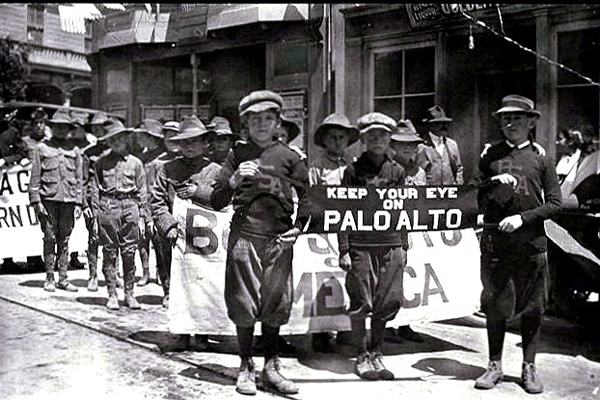
During World War II, there was a national mobilization of the university research capabilities at leading institutions like Harvard, MIT, and Caltech with over $400 million in military funding (in today’s dollars) to develop new technologies for the war effort. The Harvard Radio Research Lab (“RRL”) developed anti-aircraft countermeasures that played a pivotal role in allied victory.
During WWII anti-aircraft weapons were using radar to target allied planes. Throwing massive quantities of alumni foil into the air during bombing runs disrupted anti-aircraft radar, which enabled more missions to succeed.
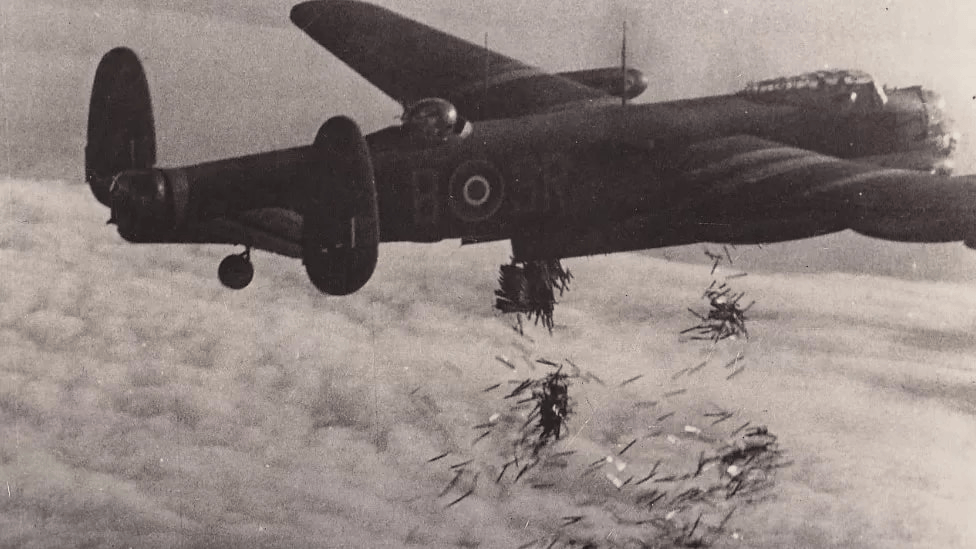

This early version of “chaff” led to modern versions seen in Top Gun movies, where flare-like things that shoot out of a fighter jet to block a radar-guided missile.

The Harvard Radio Research Lab was directed by Frederick E. Terman, who was a Stanford professor specializing in radio engineering. He returned to Stanford after RRL shut down. Stanford had been largely omitted from war time research funding, receiving only $50,000 of the millions deployed. At the time, its engineering capabilities lagged the other leading institutions.
Terman transformed Stanford’s position. He recruited top researchers from RRL to turn Stanford into an engineering powerhouse. Terman became dean for Stanford’s School of Engineer, then Provost, which enabled him to give tenure to top researchers to join Stanford. In 1951, he led the creation of Stanford Industrial Park, where Lockheed, General Electric, and Eastman Kodak leased Palo Alto real estate from Stanford to turn the mid-peninsula area into one of the world’s leading centers of innovation and engineering talent, accelerated by innovation funding from the U.S. Department of Defense.
Unlike many other universities, Stanford encourages students and faculty to commercialize innovation. Terman personally helped his students, Bill Hewlett and David Packard, to found HP and he personally invested in the startups of his day. Today leading technology companies founded by Stanford alum include Google/Alphabet, Cisco, TSMC, Nvidia, Netflix, Instagram among dozens of others. The combined output of companies founded by Stanford alumni was estimated to rank as the 10th largest economy in the world.
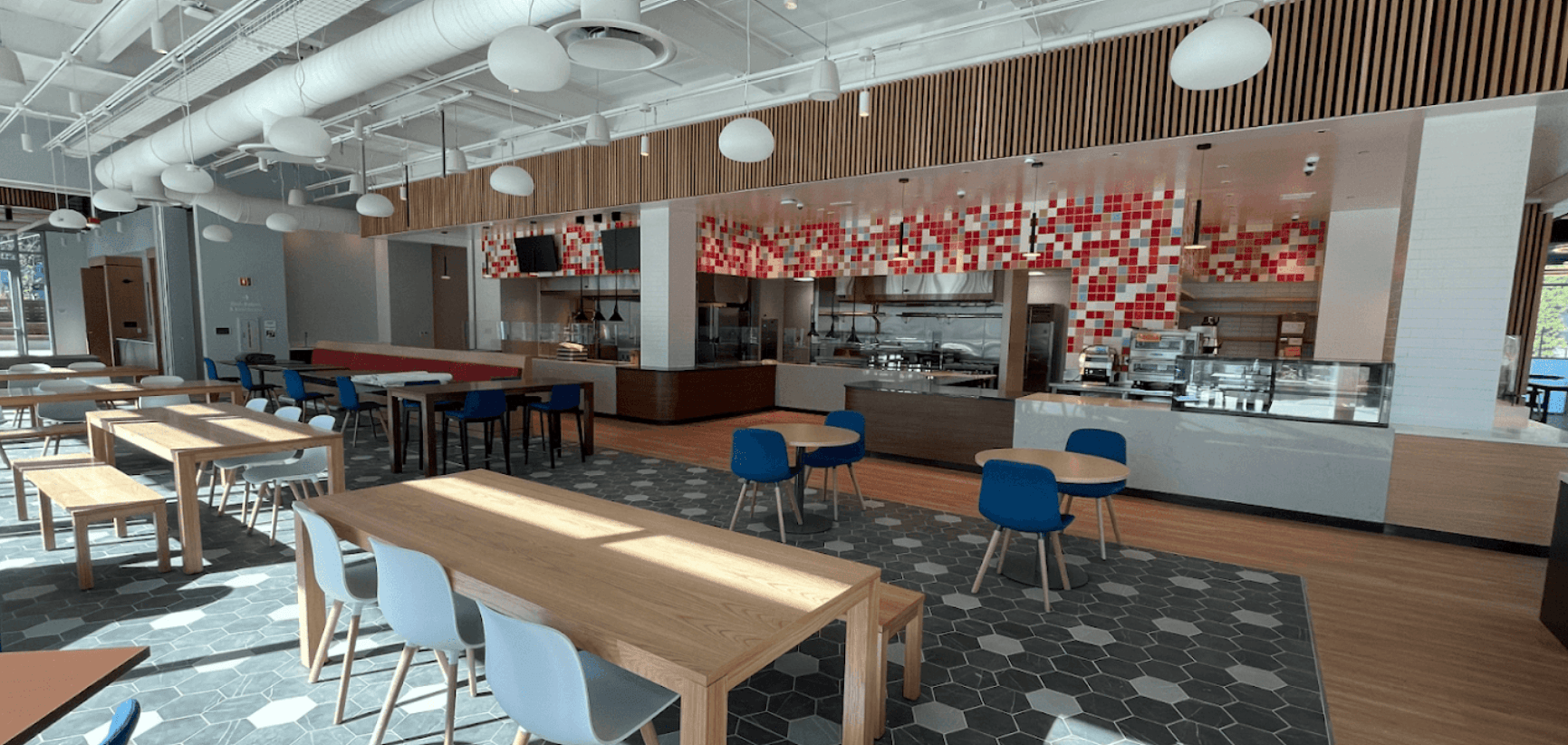
Today, we call this area “Stanford Research Park“. It’s where Xerox PARC invented the mouse and graphical user interface, where Steve Jobs founded NeXT computer, and where Tesla Motors created the modern electric car. At the heart of this amazing place is the Coupa Cafe at Stanford Research Park, 3215 Porter Dr, Palo Alto, CA 94304.
I like to go there for the lattes, its outdoor ping pong table, and to share a story once in a while about the history of electronic warfare.
To learn more about Stanford Research Park, check out Steve Blank’s Secret History of Silicon Valley, and Lockheed Martin on the Acquired Podcast.
PS: I’m not a historian, so please forgive any errors here. This is a blog post about a coffee shop I like.


Leave a Reply